Patience gets treated as the absence of action: the thing you’re doing while you wait for something else to happen. The clearest evidence says that’s backwards, not from child-development research, but from what happens when trained professionals are given a straight choice between waiting and acting. Patience is usually the harder, more active choice, and impulsive action is often the easier one dressed up as decisiveness.
Retiring the Marshmallow Test
Any conversation about patience eventually reaches for the marshmallow test, the classic finding that children who delayed eating one marshmallow to get two later did better in life. A 2024 replication study in Child Development, using far larger and more representative data than the original, found the test doesn’t reliably predict adult outcomes at all: nearly every regression-adjusted relationship between childhood marshmallow performance and adult achievement, health, or behaviour came back statistically insignificant. The honest version of patience research doesn’t lean on a famous but shaky finding about children. It looks at what patience actually costs adults making real decisions.
The Bias That Makes Patience Feel Wrong
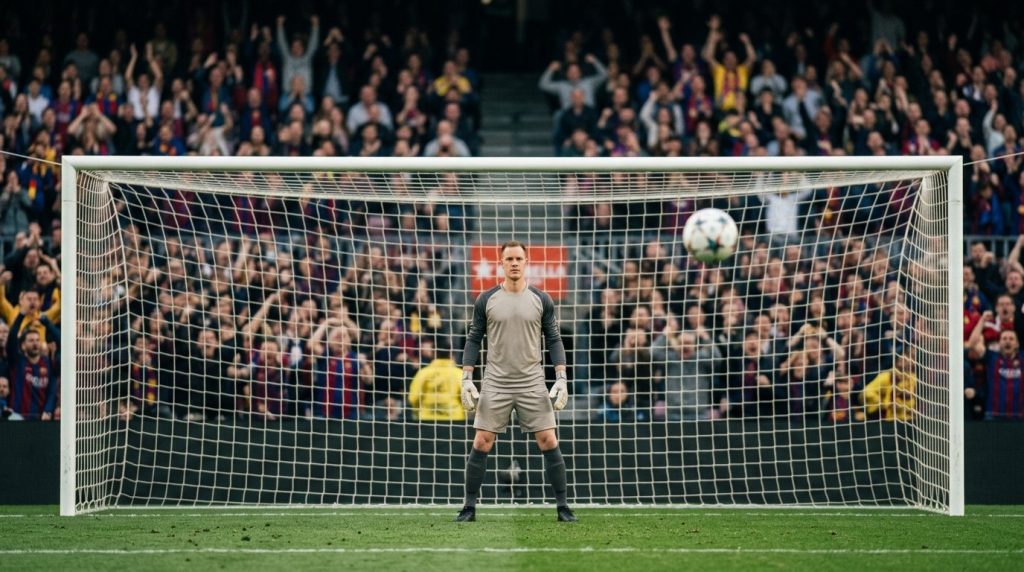
Behavioural economists have a name for the instinct patience has to fight: action bias, the tendency to act even when the evidence says waiting is the better choice, because acting feels like doing the job and waiting feels like doing nothing. A widely cited study of professional goalkeepers facing 286 penalty kicks found this bias in its purest form: goalkeepers dive left or right the overwhelming majority of the time, even though staying in the centre of the goal is statistically the better strategy, since kicks go there roughly 29% of the time. Goalkeepers dive anyway, because conceding a goal while standing still feels worse, and looks worse, than conceding one while visibly trying.
Medical research on “intervention bias” finds the identical mechanism in physicians: doctors reliably feel more satisfied recommending a treatment than recommending watchful waiting, “giving a sense of greater activism in their patients’ care,” even when the evidence supports doing nothing. Neither of these is really about competence. Both are about how much easier it feels to have visibly acted, regardless of whether acting was actually correct.
What Patient Leadership Actually Looks Like
A qualitative study of leaders who are known for patience found something specific underneath the trait: patience functions as a decision-making framework in its own right, not an absence of one, guiding a distinct process for weighing a situation before committing to act on it. A separate survey of 578 working professionals found leaders rated as more patient saw their teams’ self-reported creativity and collaboration rise by an average of 16%, and productivity by 13%.
A six-year study of more than 20 pairs of executives working in genuinely volatile markets coined the useful term for what this looks like in practice: active waiting. Not paralysis, and not indecision. Deliberate preparation during a lull, so that when a real opportunity actually opens, the leader can act decisively rather than reactively.
Why the Harder Choice Rarely Gets Made
None of the research above suggests patience is passivity’s better name. It suggests the opposite: patience requires resisting a bias that’s actively working against it in the moment, on a soccer pitch, in an exam room, or in a boardroom under pressure to be seen doing something. The impulsive decision is usually the one that requires less discipline, not more, because it removes the discomfort of visibly not acting while everyone is watching.
The Actual Choice Worth Making
The next time waiting is the objectively better move and doing something still feels necessary, the honest question isn’t whether patience is the right call. The research says it usually is. The question is whether you can tolerate looking like you’re doing nothing for exactly as long as doing nothing is correct.